
Why Paperpot?
What the Paperpot Transplanter does for your time, your crops, your margins and your body, and when hand transplanting is still the better call.
Time
One person, or a small team, can do more. A 100-foot bed goes in in about 15 minutes.
Crop control
Germinate in the nursery, plant older and stronger, and stay ahead of weeds.
Money
Lower labor per bed, earlier starts and faster successions.
Same bed, two ways
One bed is planted by hand. The other goes in with the Paperpot Transplanter. The clock runs on both, side by side, in a time-lapse. Watch the timer, then watch the posture.
9:43
for the Paperpot to plant its bed, start to finish
42+ min
by hand, and the hand bed is still going at the 42-minute mark
4x+
faster with the Paperpot, standing up the whole time
The hand bed is planted into landscape fabric with pre-cut holes, a setup growers use to make hand planting faster. Your times will vary with crop, spacing and crew size, but the gap holds up.
Time: less labor can do more
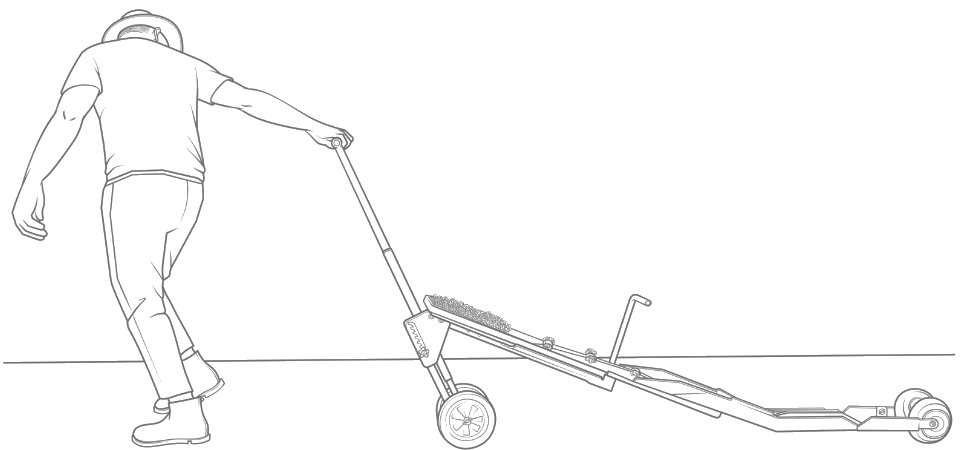
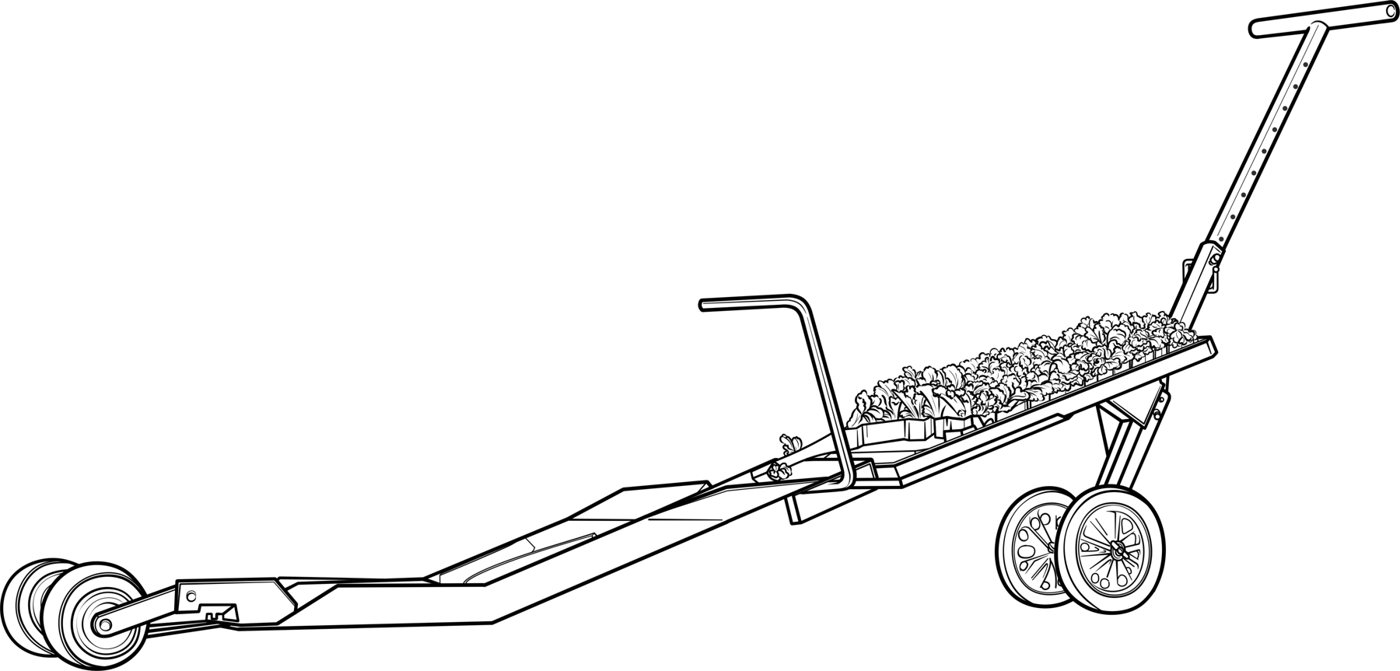
The Paperpot Transplanter lays a chain of 264 connected paper pots into the bed as you walk. A full 100-foot bed takes about 15 minutes. By hand, the same bed is hours of bending, popping plugs and setting plants one at a time.
| 100′ bed, 4 rows, 4″ spacing (1,200 plants) | Time |
|---|---|
| By hand, at an optimistic 10 plants a minute including popping plugs | About 2 hours |
| Paperpot Transplanter | About 15 minutes |
Speed compounds. Hand transplanting slows as knees, back and focus wear out. The Paperpot holds its pace, so five or more beds in a morning is realistic. On a two-person farm with five of those beds to plant, hand planting is about five hours for both of you. With the Paperpot, one person is done in about an hour and a quarter.
- Time is your most limiting factor. Falling behind means hiring more help, which cuts your margin. More equipment is easier to manage than more employees.
- Timing keeps crops healthy. Plant at the right stage, beat an incoming storm, and get beds watered in before summer heat stresses them.
- Time back for you. Less time transplanting means more time for the business, and for rest, family and friends.
Better crop control
- Less time in the nursery. Most Paperpot crops go out about four weeks after seeding, some in two. Seedlings stay in the pot they grew in, so roots aren’t disturbed and you can plant a week or two earlier than with plug trays.
- Transplant crops you’d normally direct seed. Peas, spinach, cilantro, beets, turnips, dill, beans and corn germinate near-perfectly in the nursery, and you can transplant crops too small to handle by hand.
- An edge over weeds. Flame weed the bed, then plant weeks-old transplants that stay ahead of any weeds that follow.
- One trade-off. Paper chain pot plants can take one to three days longer to settle in than plugs or soil blocks. Planting early and watering in right away keeps that short.
Money
Start crops weeks earlier in the nursery and go from harvested bed to replanted bed the same day, which fits more successions into the season. Then look at the cost of planting one bed.
| 100′ bed, 4 rows, 4″ spacing | By hand | Paperpot |
|---|---|---|
| Planting time | 120 min | 15 min |
| Labor at $25/hr loaded ($20 wage + 25% burden) | $50.00 | $6.25 |
| Paper chain pots (5 x 4″ at $4.39) | n/a | $21.95 |
| Total | $50.00 | $28.20 |
That’s $21.80 and 105 minutes saved on every bed. Above a loaded labor rate of about $12.50 an hour, a bed planted with the Paperpot costs less than one planted by hand. Count labor at its loaded rate, wage plus payroll taxes, workers’ comp and insurance, or for owner-operators, what an hour of your own time is worth.
A 4″ bed uses 4.3 chains; most growers round up to 5 for spares. Chain price from a full case, October 2026. Seeding time, trays and potting mix are treated as equal for both methods.
Health
Nobody wants to hand transplant two beds and then turn around and do something else. Hand planting means hours of crawling, kneeling, stooping and counting down the beds still to go.
- You stand upright. Walk the bed and pull the transplanter.
- You finish fresh. After a 15-minute bed you still have energy for harvest, wash-pack or markets.
- It’s quiet and clean. No engine, no fuel, no noise.
- A daunting job becomes manageable. A big transplant day stops being something to dread.
Is the Paperpot right for you?
The Paperpot fits if…
- You plant several beds a week, solo or with a small crew
- Your back and knees are a limiting factor
- You run tight successions and need beds turned fast
- You grow lettuce, onions, beets, greens, herbs and other compact crops
- You want to transplant crops you now direct seed
Hand transplanting may be better if…
- You farm at very small scale, plant only a few beds a week, or plant beds under 50 feet
- You have inexpensive labor that can sustain very fast hand planting
- You plant through mulch or fabric, or your soil is rocky or heavy clay
- You mostly grow tomatoes, peppers, squash and other large transplants
- You need a method that’s quick to teach new crew
Why Paperpot? (PDF)
This guide as a six-page printable.
Paperpot crop guides
Settings, timing and yields for 19 crops.
The Pro-Series Starter Kit
Everything you need to plant your first beds.
Questions? Email hello@moderngrower.co.